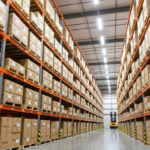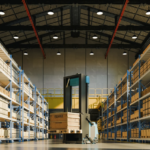
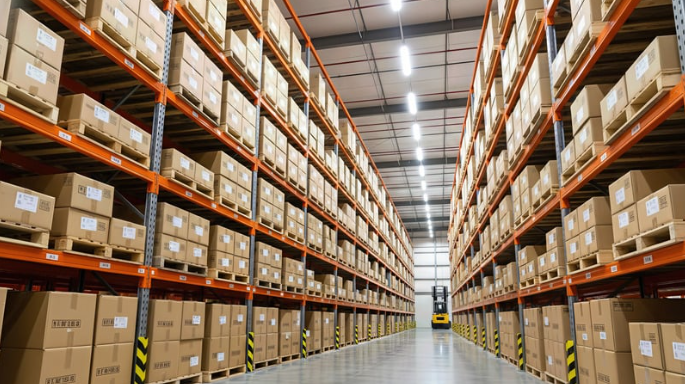
Efficient warehouse operations rely heavily on well-designed storage systems that support organization, safety, and productivity. As supply chains grow more complex and storage demands increase, companies must invest in racking solutions that are durable, scalable, and suited to modern logistics environments. Choosing the right supplier becomes a crucial step in ensuring that warehouse infrastructure performs reliably over time. Businesses exploring reliable storage solutions often begin by researching warehouse racking manufacturers to understand what features and capabilities distinguish a dependable provider. Knowing the essential qualities to look for in a modern racking manufacturer helps companies make informed decisions that support long-term warehouse efficiency and operational safety.
Strong Focus on Structural Quality and Safety
A key quality to consider when evaluating a warehouse racking manufacturer is the structural integrity of their systems. Warehouse racks must support significant weight loads while maintaining stability and safety throughout daily operations. High-quality manufacturers design their systems using strong materials and engineering standards that ensure racks remain reliable under demanding conditions.
Manufacturers with a strong focus on structural quality conduct rigorous testing to confirm that their racking systems meet industry safety requirements. These evaluations often include load capacity testing, material durability assessments, and structural design reviews. By prioritizing these factors, manufacturers provide racking systems capable of handling heavy inventory while reducing the risk of structural failure.
Customization and Flexible Design Options
Warehouses often store a wide variety of products with different sizes, weights, and handling requirements. Because of this diversity, racking systems must be adaptable to meet specific operational needs. A modern manufacturer should offer customization options that enable businesses to configure storage systems to their inventory and facility layouts. Flexible design capabilities enable warehouses to optimize available space and improve storage efficiency. Manufacturers may provide adjustable shelving systems, modular rack configurations, and scalable structures that allow businesses to expand storage capacity as operations grow.
Customization also allows companies to integrate racking systems with existing warehouse equipment, such as forklifts, conveyors, and automated handling systems. By offering tailored solutions, manufacturers help warehouses maintain efficient workflows while maximizing storage potential. Businesses planning their storage systems should know what not to do with warehouse racking systems, which includes common mistakes that can affect safety and efficiency when racks are improperly used or configured.
Commitment to Support and Long-Term Reliability
Another essential quality of a modern warehouse racking manufacturer is the level of support they provide throughout the lifecycle of the storage system. Reliable manufacturers offer professional guidance during design, installation, and maintenance stages to ensure that the racking system performs effectively. Ongoing support helps warehouses maintain the safety and performance of their storage infrastructure. Manufacturers may provide inspection services, technical assistance, and system updates that help facilities adapt to evolving storage requirements.
Long-term reliability also involves designing systems that can withstand continuous use without compromising safety. Manufacturers who prioritize durability and service support help businesses maintain stable storage operations for years to come. By partnering with a manufacturer that values long-term performance, companies can build warehouse systems that remain efficient and dependable as operational demands grow.
Conclusion
Selecting the right warehouse racking manufacturer is a critical step in building a safe and efficient storage environment. Qualities such as structural integrity, flexible design options, industry experience, and strong support services all contribute to the reliability of a racking system. By evaluating these factors carefully, businesses can choose storage solutions that enhance warehouse organization while supporting long-term operational efficiency. A well-designed racking system not only improves inventory management but also strengthens the overall productivity and safety of the warehouse environment.