Scrap metal recycling plays a critical role in modern industrial operations. Many industries generate large quantities of metal waste through manufacturing, construction, equipment replacement, and demolition activities. Instead of discarding these materials, recycling processes allow metals to be recovered and reused in new production cycles. This reduces waste while supporting more efficient use of valuable resources. Industries across the region benefit from organized systems that support scrap metal recycling in Atlanta, helping businesses manage metal waste responsibly. Through professional recycling operations, scrap materials are collected, processed, and transformed into reusable raw materials. Understanding how these processes work highlights the importance of recycling in supporting sustainable industrial growth.
Collection and Initial Sorting of Scrap Metal
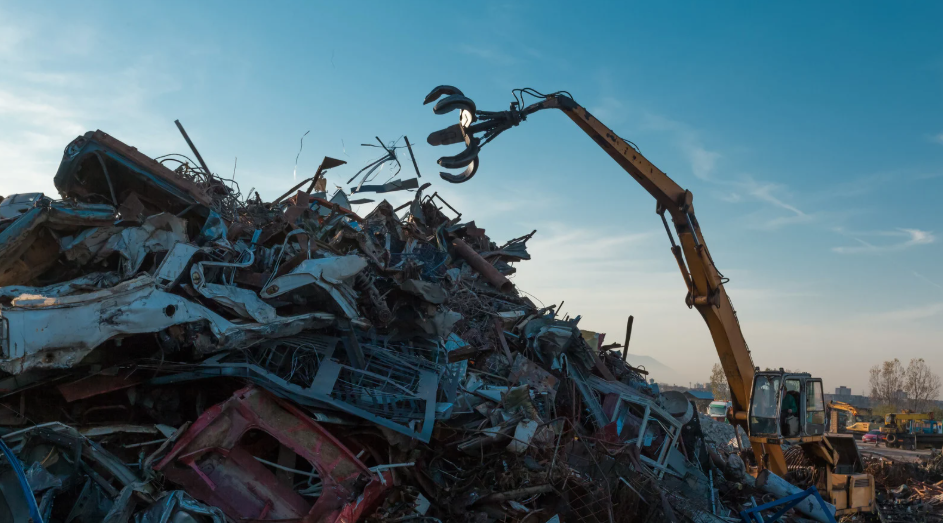
The recycling process begins with the collection of scrap metal from commercial facilities, construction projects, and industrial operations. Large quantities of metal materials such as steel, aluminum, copper, and iron are gathered from different sources and transported to processing locations. Organized collection systems ensure that scrap materials are handled efficiently and safely. Once collected, the materials go through an initial sorting stage where different types of metals are separated. This step is important because each metal type requires a different recycling process. Proper sorting allows recycling facilities to process metals more effectively while maintaining the quality of recovered materials used in manufacturing.
Processing and Preparation of Recyclable Metals
After sorting, scrap metals are prepared for further processing. Large metal pieces are often cut or compressed into smaller sections that are easier to handle during recycling operations. Specialized equipment is used to break down bulky items such as machinery components, structural steel, or industrial parts. Processing also involves cleaning the metal to remove impurities such as coatings, attachments, or other non-metal materials. Preparing scrap metal in this way improves the efficiency of later stages in the recycling process. By ensuring that metals are properly processed, recycling operations can produce high-quality raw materials suitable for industrial use.
Melting and Refining the Recycled Metal
Once the metal has been sorted and prepared, it is moved into melting facilities where it is heated at high temperatures. Different metals require different melting points, so recycling facilities use specialized furnaces designed for specific materials. This process transforms scrap metal into molten form, which can then be refined to remove remaining impurities. Refining ensures that the recycled metal meets industry standards for reuse in manufacturing. Many organizations recognize the long-term benefits of recycling scrap metals when evaluating the role of recycling within industrial production. Refined metal can then be molded or shaped into forms that manufacturers use to produce new products and components.
Manufacturing New Products From Recycled Metals
After melting and refining, recycled metals are formed into bars, sheets, or other usable shapes. These processed materials are then supplied to manufacturers that incorporate recycled metal into new products. Many industries rely on recycled metals because they provide a dependable and cost-effective raw material source. Industries such as construction, automotive manufacturing, electronics production, and infrastructure development all benefit from recycled metal materials. Steel beams used in buildings, aluminum components in vehicles, and copper wiring in electrical systems can all originate from recycled scrap metal. This continuous reuse of metal materials supports long-term industrial efficiency.
Supporting Sustainable Industrial Operations
Recycling scrap metal contributes to sustainability by reducing the need for mining new raw materials. Extracting metals from natural resources requires significant energy and environmental impact. Recycling allows industries to reuse existing materials while minimizing resource consumption. By incorporating recycled metals into manufacturing processes, industries can reduce waste while maintaining a consistent material supply. Organized recycling systems also help ensure that metal materials remain in productive use rather than being discarded. This approach supports both economic efficiency and environmental responsibility across major industrial sectors.
Conclusion
Scrap metal recycling is a vital process that allows industries to recover valuable materials and transform them into new products. From initial collection and sorting to melting, refining, and manufacturing, each stage of the recycling process plays an important role in supporting efficient industrial production.
By reusing metal materials through structured recycling systems, industries can reduce waste, conserve natural resources, and maintain reliable supply chains. These processes demonstrate how scrap metal recycling continues to support sustainable growth and responsible resource management across major industries.